


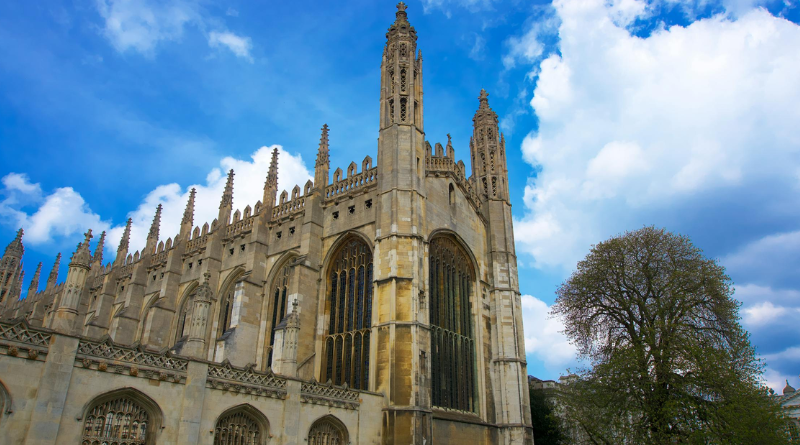
Overview of Ancient Artz
Meaning and Importance
From intricate sculptures of Ancient Artz civilizations to prehistoric cave drawings, ancient art reflects the first manifestations of human inventiveness. These pieces of art provide glimpses into the customs, beliefs, and day-to-day activities of past communities.
Why Research Ancient Art?
We may discover historical tales, comprehend cultural evolution, and admire the inventiveness of our predecessors by studying antique art. It highlights universal themes of beauty and expression, bridging the gap between the past and present.
Ancient Art’s Beginnings
Early Symbols and Paintings in Caves
The earliest examples of creative expression may be seen in cave paintings found in places like France’s Lascaux. These animal representations and handprints provide insight into early humans’ environs and way of life.
Artistic Expression’s Development in Prehistoric Times
As society developed, art changed over time, moving from straightforward paintings and carvings to more intricate creations like jewelry, ceramics, and symbolic inscriptions.
- Egyptian art is one of the most famous examples of ancient art.
- The Pyramids and Paintings on Tombs
- The Egyptians’ dedication to the afterlife is reflected in the pyramids’ magnificence and the
- elaborate tomb paintings.
- Egyptian Artifacts’ Symbolism
- Egyptian symbols, such as scarabs and ankhs, had cultural and religious meaning.
- Art from Mesopotamia
Finely detailed carvings and ziggurats
- Mesopotamia’s architectural genius is emphasized by its tall ziggurats and intricate embellishments.
Cuneiform’s Significance in Art - Tablets were decorated with early cuneiform inscriptions, which combined written language and art.
Greek and Roman Input
God and goddess sculptures
- In their sculptures honoring gods and heroes, the Greeks and Romans were masters of realism.
Wonders of Architecture - Ancient engineering and design are still exemplified by buildings like the Parthenon and Colosseum.
Asian Input
Chinese Pottery and Calligraphy
The exquisite calligraphy and ceramics of Ancient Artz China demonstrate its sophisticated aesthetics.
Indian Temples and Sculptures India’s spiritual and creative legacy is reflected in temples with elaborate carvings.
Ancient Artz Materials and Techniques Ancient Technologies Ancient Media
Metals, Stone, and Clay
These served as the main building blocks and were formed into tools, decorations, and works of monumental art.
Natural Pigments and Dyes
In order to add brightness to their creations, artists took colors from insects, minerals, and plants.
Methods That Influenced Civilizations
- Painting, Embossing, and Carving
- These techniques aided in producing intricate and long-lasting artwork.
- Arts of Textiles
- Early textile art was a reflection of both technological advancement and societal roles.
- Ancient Art’s Themes and Motifs
- Gods and spirituality depicted
- The majority of the iconography was religious, showing gods, ceremonies, and the afterlife.
Social Roles and Everyday Life
Daily life was revealed through scenes of farming, hunting, and social order.
Using Nature as a Source of Inspiration
The relationship between humans and the environment was emphasized via landscapes, animal representations, and floral patterns.
Ancient Art Influence on the Renewal of Modern Art Classical art saw a resurgence during the Renaissance as a result of painters’ heavy reliance on ancient Greek and Roman techniques.
Impact on Artists of Today
Artists of today are still reinterpreting historic topics by fusing innovation and tradition.
Conserving Ancient Art with Current Archaeological Initiatives
The significance of conserving Ancient Artz is highlighted by discoveries made in locations such as Egypt and Greece.
Conservation’s Difficulties
Ancient artworks are seriously threatened by human activity, pollution, and climate change.
In conclusion
Ancient art has left a lasting legacy that teaches us important things about culture, creativity, and the human condition. It acts as an eternal reminder of the strength of artistic expression and our common past.
FAQs
Which kind of ancient art is the oldest?
The earliest known art form is thought to be cave drawings, which date back more than 40,000 years.
How can the age of ancient art be ascertained by archaeologists?
To determine age, they employ techniques like stylistic analysis and carbon dating.
Which culture made the greatest contributions to ancient art?
While the contributions of each culture are distinct, Greek and Egyptian art have had a particularly significant impact.
What are the main contemporary dangers to the preservation of ancient art?
Three major issues are vandalism, climate change, and natural erosion.
In what ways does art from antiquity stimulate innovation today?
It offers a starting point for creativity, narrative, and the fusion of conventional and contemporary methods.